
Quick answer: auto insurance is a bundle of separate coverages. Liability pays for harm you cause to others, collision pays for damage to your car from a crash, comprehensive pays for many non-crash losses such as theft or hail, and uninsured or underinsured motorist coverage helps when the other driver cannot pay. Required coverages vary by state.
An auto insurance declarations page lists a row of coverages, each with its own limit and price. For many drivers, it reads like a foreign language. “Full coverage” is a common phrase, yet it is not an official insurance term, and different people mean different things when they use it. Knowing what each line actually does makes it easier to compare quotes and to avoid surprises after an accident.
This guide describes the standard coverages using terminology from the Insurance Information Institute (III) and the National Association of Insurance Commissioners (NAIC). State laws differ widely, so use your state department of insurance for the minimums and rules where you live. The information below is general information only and not advice on what to buy.
Liability Coverage: Protection for Harm You Cause
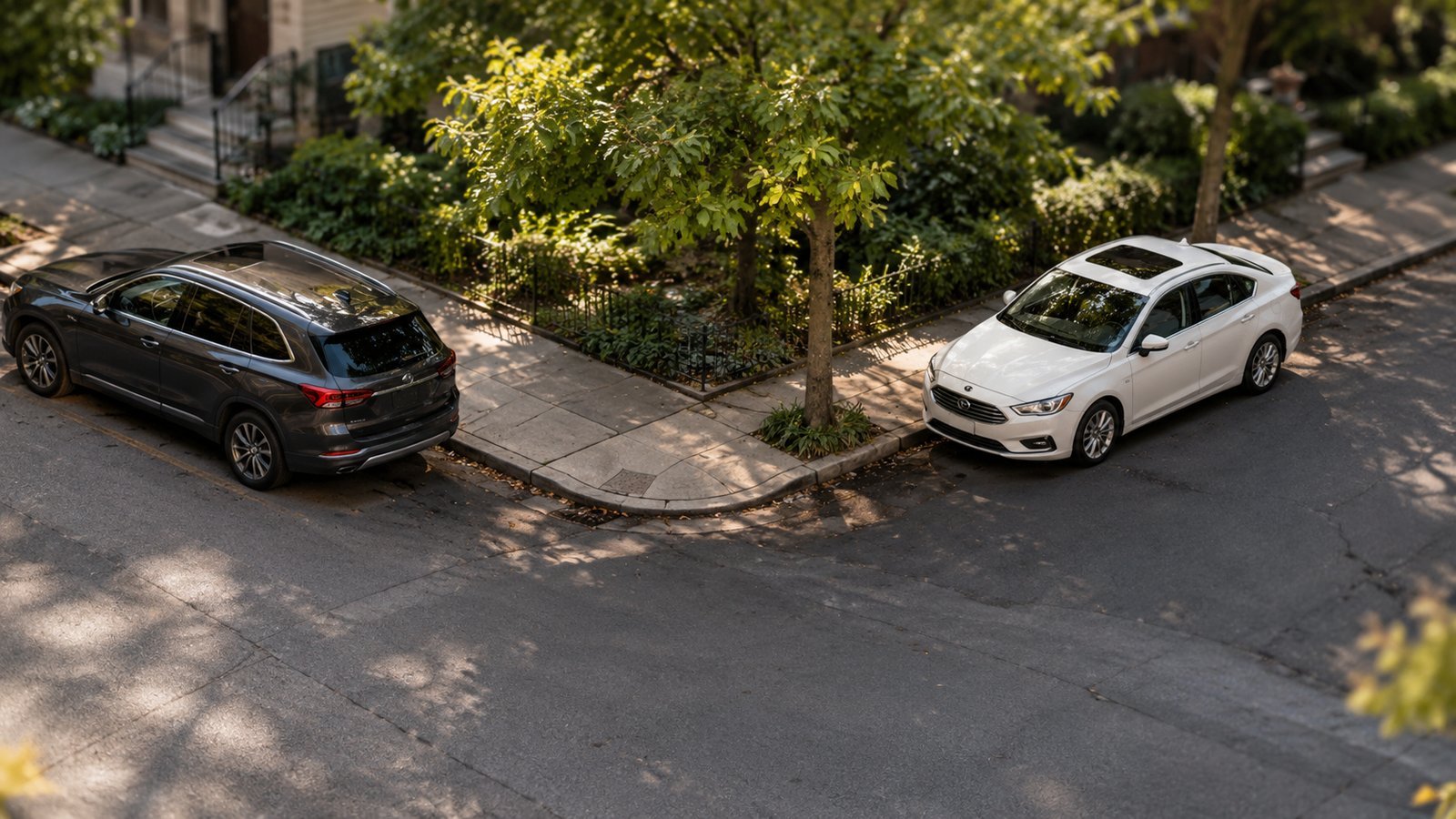
Liability coverage is the foundation of most auto policies and is required in almost every state. Payment comes when you are legally at fault for an accident that hurts other people or damages their property. Your own injuries and your own car are not part of it.
Liability has two parts.
- Bodily injury liability helps pay for medical expenses, lost income and pain and suffering claims of people you injure, plus legal defense costs if you are sued.
- Property damage liability helps pay to repair or replace property you damage, usually another vehicle, but also fences, buildings, mailboxes and similar items.
Reading limit numbers
Liability limits are often written as three numbers separated by slashes, such as 25/50/25. According to the III, the first number is the maximum for bodily injury per person, the second is the maximum for bodily injury per accident, and the third is the maximum for property damage per accident, each in thousands of dollars. That example is only a format illustration, not a recommendation.
State minimum limits differ and can be quite low. If damages exceed your limits, you may be responsible for the difference out of pocket. Consumer groups commonly point out that minimums are set by law as a floor and may not match the cost of a serious crash. Choosing higher limits is a personal decision about risk, assets and budget, and an agent or your state insurance department can explain the options.
Different state systems
Most states use a fault-based system, where the at-fault driver’s insurer pays. A smaller group of states are no-fault states, which require drivers to carry personal injury protection (PIP) that pays for their own medical costs regardless of fault, with rules about when a lawsuit is allowed. Because the systems differ, a coverage that is required in one state may be optional in another.
Collision Coverage: Your Car After a Crash
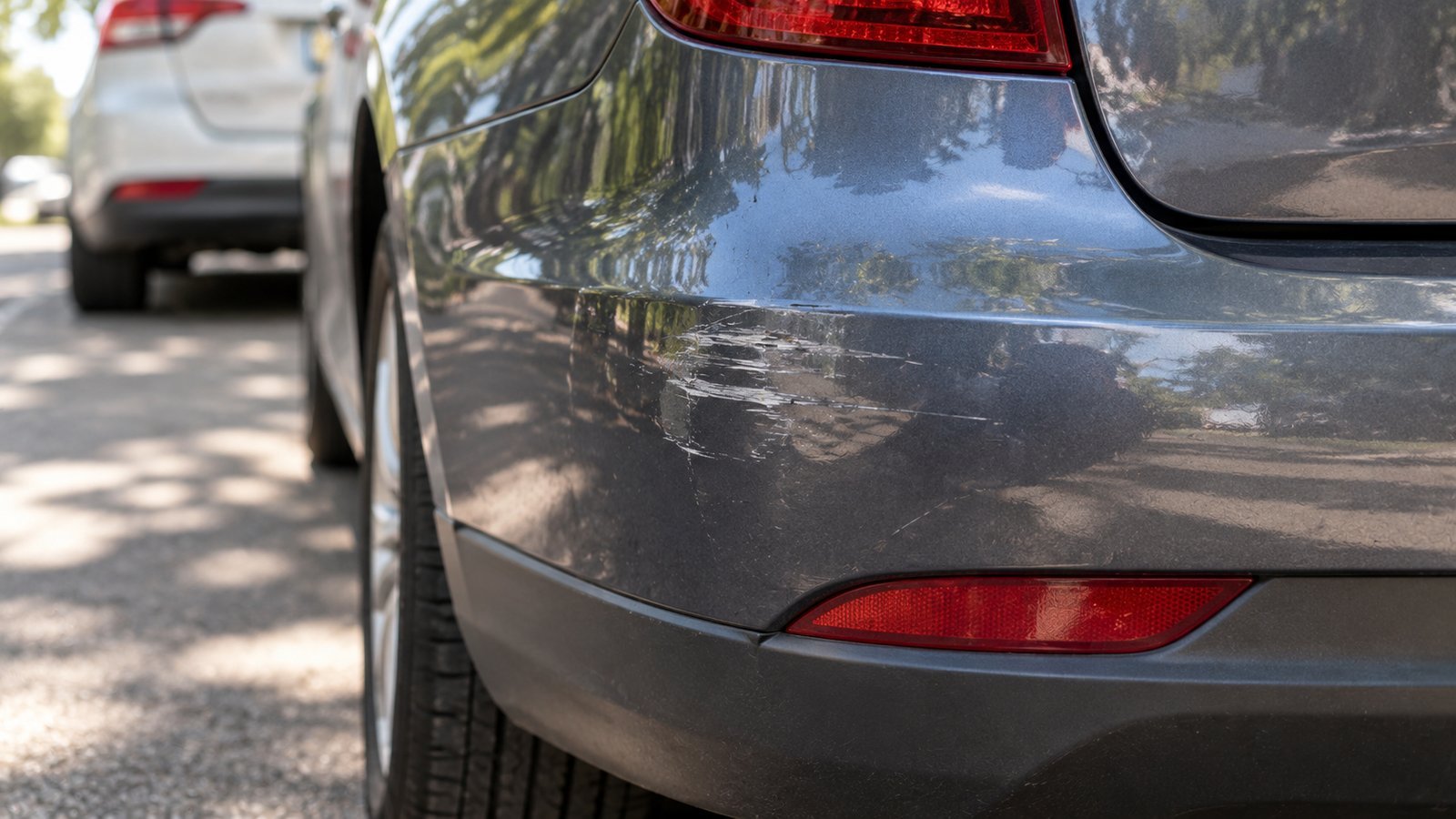
Collision coverage pays to repair or replace your own vehicle after a collision with another car or object, such as a tree, guardrail or pole, or if the car rolls over. Fault does not matter here, though your deductible applies.
Key points include:
- You choose a deductible, and the insurer pays the covered repair cost above that amount.
- The payout is generally limited to the car’s actual cash value at the time of the loss, which is based on its market value, not what you paid.
- Lenders and leasing companies usually require collision and comprehensive coverage while a vehicle is financed or leased.
Owners of older, low-value cars sometimes drop collision because the premium and deductible may approach what the car is worth. Weighing that choice is personal, and a quick look at the car’s current market value helps. For a closer look at how repairs and coverage line up, the article on whether full coverage car insurance covers repairs goes through common scenarios.
Comprehensive Coverage: Losses That Are Not Crashes
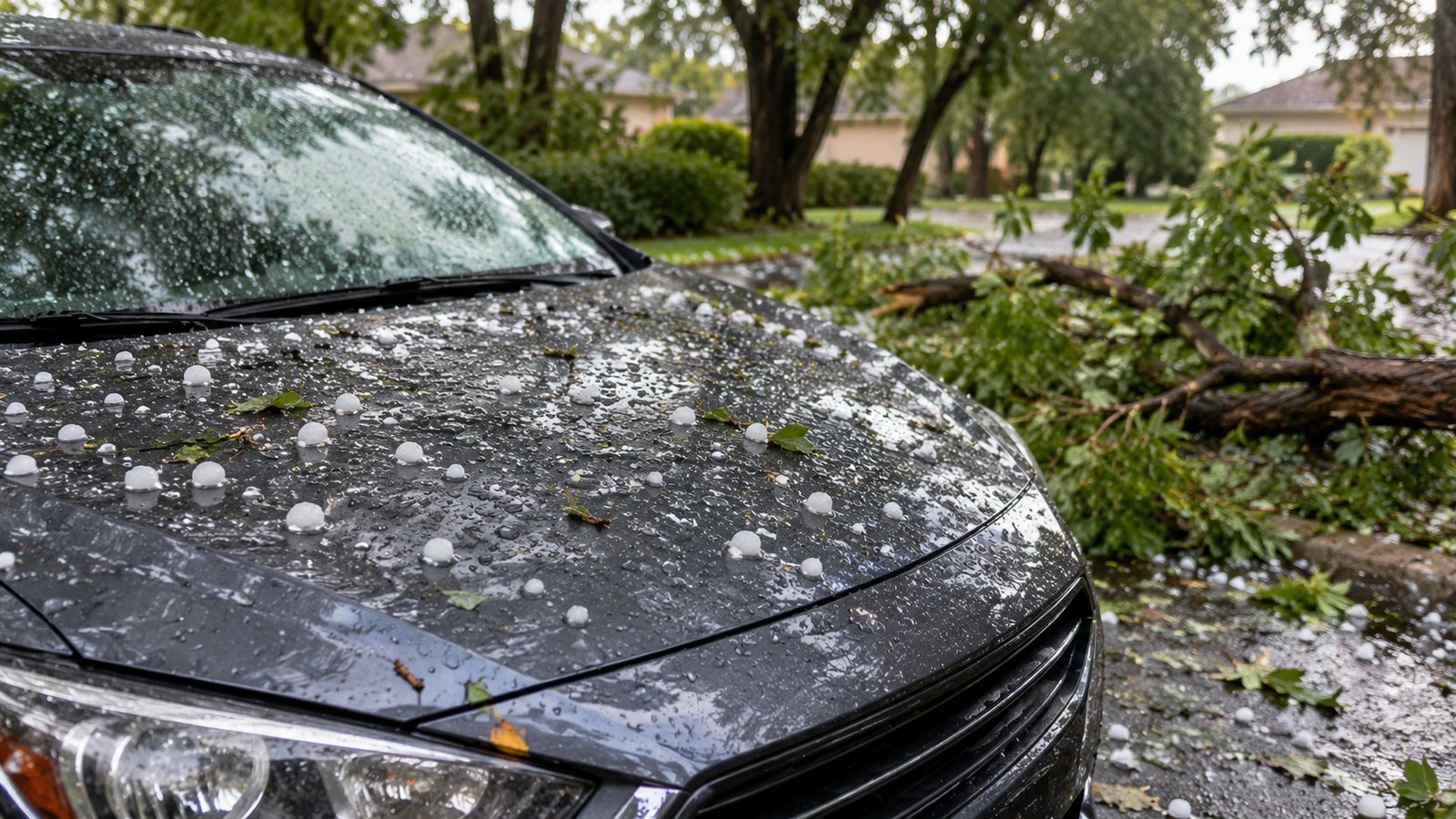
Comprehensive coverage, sometimes called other-than-collision, pays for damage to your car from many events other than a crash. The III lists typical examples: theft, vandalism, fire, falling objects, hail and other weather events, flooding, and collisions with animals such as deer. Glass damage is often handled under comprehensive too, and some states or insurers offer separate glass coverage options.
Like collision, comprehensive uses a deductible and pays no more than actual cash value. Most states leave comprehensive optional, though lenders typically require it on financed cars. Premiums depend on factors such as vehicle type, theft rates in your area and weather risk.
The piece about what car insurance does not cover highlights exclusions such as wear and tear, mechanical breakdown and intentional damage, which neither collision nor comprehensive will pay.

Uninsured and Underinsured Motorist Coverage
Not every driver carries insurance, and many carry only the minimum. Uninsured motorist (UM) coverage can help pay your medical bills and, in some states, vehicle damage when an at-fault driver has no insurance, and in many states also covers hit-and-run accidents. Underinsured motorist (UIM) coverage helps when the at-fault driver’s limits are too low to cover your losses.
The III notes that some states require UM or UIM coverage and others make it optional, and in some states you must reject it in writing. Because you cannot control what other drivers carry, many consumer advocates suggest looking closely at this coverage, though the decision is yours.
Medical payments and personal injury protection
Two coverages address injuries to you and your passengers regardless of fault.
- Medical payments coverage (MedPay) pays reasonable medical and sometimes funeral expenses for you and your passengers after an accident. Limits are typically modest.
- Personal injury protection (PIP) is broader. PIP can cover medical expenses, lost wages and some other costs such as childcare or household services, depending on the state. No-fault states require it, and some other states offer it as an option.
Your health insurance may also respond to accident injuries. How these coverages coordinate varies by policy and state. If you have questions about how they interact with deductibles and cost sharing, your insurer can explain coordination of benefits.
Add-On Coverages and the Deductible Trade-Off
Beyond the core list, insurers sell optional extras. Whether they are worth the price depends on your car and circumstances.
- Rental reimbursement: Pays for a rental car while yours is being repaired after a covered loss.
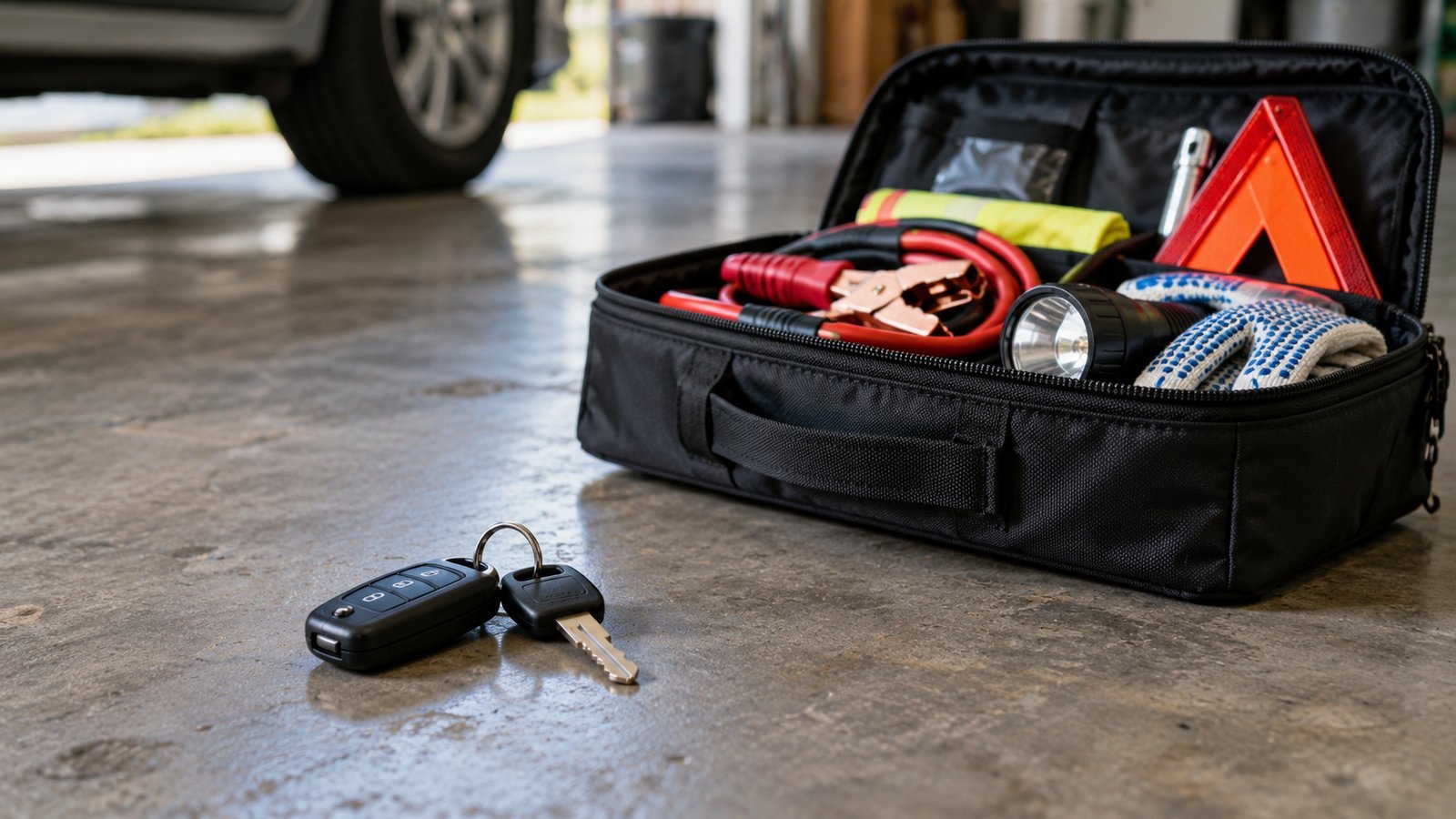
- Roadside assistance or towing: Covers towing, jump starts, flat tires and lockouts.
- Gap coverage: Covers the difference between what you owe on a loan or lease and the car’s actual cash value if it is totaled. The explainer on how to know if you have gap insurance covers how to check.
- New car replacement or better car replacement: Available at some insurers for newer vehicles.
- Rideshare or delivery endorsements: Personal policies often exclude or limit coverage when you are working for a rideshare or delivery app, so drivers should ask about gaps.
- Custom parts and equipment: Covers aftermarket additions not included in the base value.
Choosing a deductible
Picking a deductible is a cash-flow question as much as an insurance one. Imagine two deductible choices on the same policy: a lower one that costs more every month, and a higher one that costs less but leaves a bigger bill after a claim. Over several claim-free years the higher deductible saves money on premiums; after a claim it takes more from savings. Some insurers offer vanishing deductibles or reward claim-free years, so ask what programs exist. Small claims are sometimes not worth filing when the repair cost sits only slightly above the deductible, because a claim can affect future pricing. Talking through that math with an agent before a loss is easier than doing so afterward. Reviewing the policy once a year is worthwhile as well, since a car that has aged, a shorter commute or a paid-off loan can change which coverages still make sense. Keep a note of the renewal date each year, and compare the renewal price with fresh quotes using identical limits so that you are comparing like with like.
How deductibles and premiums interact
Deductibles apply to collision and comprehensive. A higher deductible generally lowers the premium for those coverages, and a lower deductible raises it. The right balance depends on how much you could comfortably pay on the day of a claim. A rainy-day fund sized to your deductible makes a higher deductible easier to carry.
Other items that influence premiums include your driving record, age, location, annual mileage, vehicle, credit-based insurance score in states where it is allowed, and coverage choices. New drivers should also read about choosing insurance as a first-time car owner, since inexperience affects prices.
State Requirements, Proof and Lapses
Anyone who moves to a new state should check the rules right away, because required coverages and limits change at the border, and most states expect a new resident to register the vehicle and carry local minimums within a short time. Military families, students who keep a car at school and people who split time between homes should tell the insurer where the car is garaged, since the garaging address affects both price and coverage.
Nearly every state requires drivers to show financial responsibility, most often through liability insurance. States can check coverage electronically, and a lapse can bring fines, license or registration suspension and, in some states, a reinstatement fee. A lapse can also raise future premiums (see this piece on how long an insurance lapse stays on your record), since many insurers consider continuous coverage a rating factor.
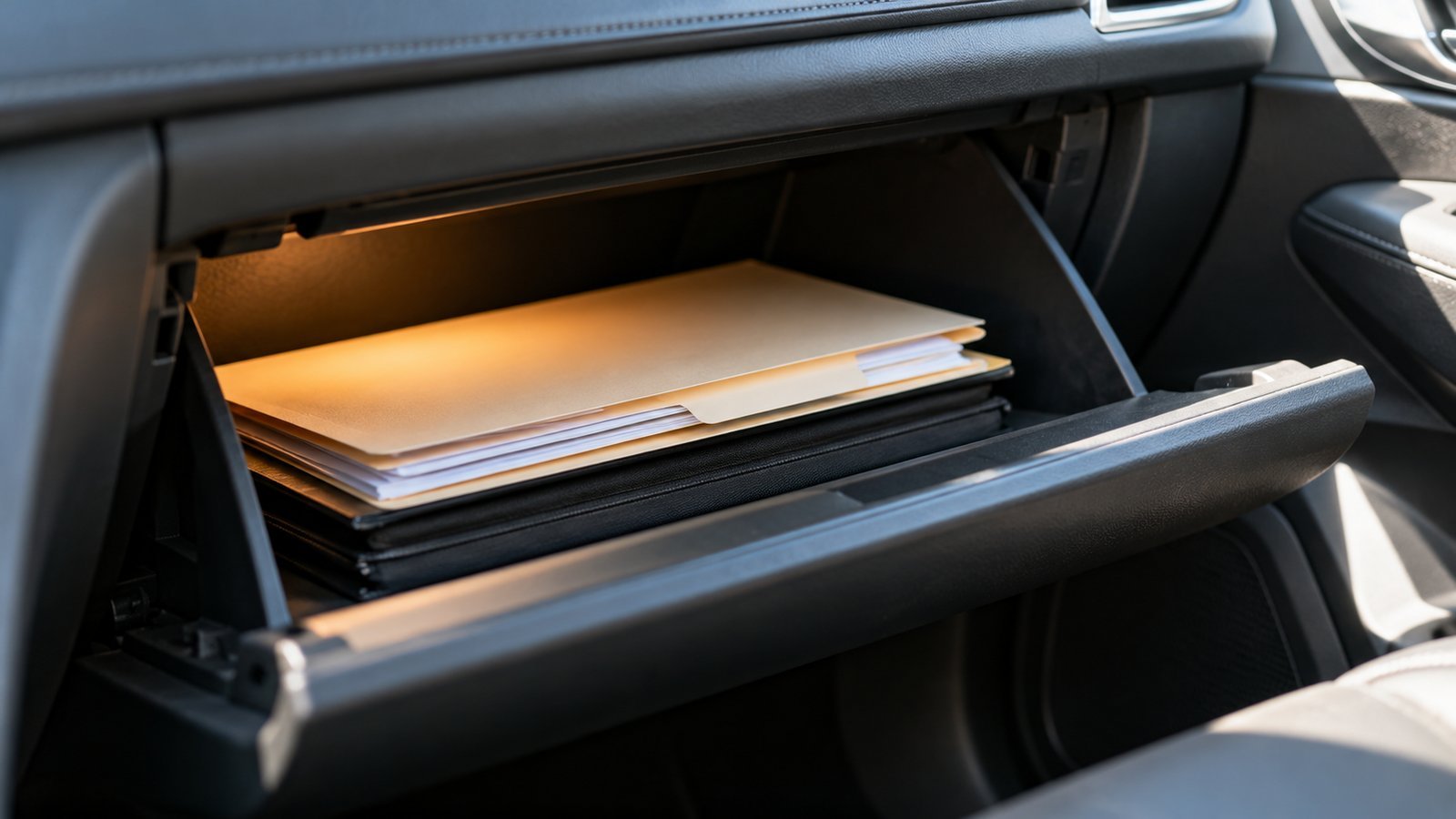
Proof of insurance usually comes as an insurance card, either printed or digital, and many states also accept an electronic copy shown on a phone during a traffic stop or at registration. Keep one in the car or on your phone, and keep your policy number handy. The NAIC and each state’s department of insurance publish minimum requirements and consumer guides. When you shop, compare quotes using the same limits, deductibles and add-ons across companies so that the prices are comparable.
After an accident, in general terms
The exact steps vary, but the common pattern is steady. Check for injuries and call emergency services if needed. Move to a safe place if possible. Exchange names, contact details, license plate numbers and insurance information with other drivers. Photograph the scene, damage and any visible injuries. File a police report when required or useful. Contact your insurer promptly, and keep records of every conversation, repair estimate and receipt. Avoid admitting fault at the scene. The insurer investigates and decides how coverage applies under the policy terms.
This article is general information only. This is not insurance, legal or financial advice, and nothing here describes any specific policy. Coverage requirements, definitions and rules vary by insurer and state. Confirm details with your insurer, a licensed agent or your state department of insurance.

Frequently Asked Questions
Is "full coverage" an official type of insurance?
No. The phrase usually means liability plus collision and comprehensive, but there is no standard definition. Always check the actual coverages listed on your policy.
Does liability insurance pay for my own car?
No. Liability pays for damage and injuries you cause to others. Collision or comprehensive coverage handles damage to your own vehicle.
Do I need comprehensive if my car is old?
Not required by law in most cases, though lenders usually require it on financed cars. Owners of older cars often compare the premium and deductible with the car’s market value.
What if the other driver has no insurance?
Uninsured motorist coverage, where you have it, can help with injuries and, in some states, property damage. Without it, you may need to rely on collision coverage or pursue the driver directly.
Will a claim raise my premium?
Sometimes. The effect depends on fault, claim type and insurer practices. Comprehensive claims often affect rates less than at-fault collision claims, but practices vary.