
Quick answer: a standard homeowners policy is organized into lettered coverages. Coverage A protects the house, B other structures, C personal belongings, D living expenses if the home is unlivable, E personal liability and F medical payments to others. Floods and earthquakes are usually excluded and need separate coverage.
Open a homeowners insurance policy for the first time and the first thing you notice is the length. Pages of definitions, conditions and exclusions surround a short declarations page with a handful of numbers. That page is where the lettered coverages live, and understanding them is the fastest route to knowing what your policy will and will not do.
The structure described here follows the widely used HO-3 form, the most common policy for owner-occupied single-family homes, as described by the Insurance Information Institute (III) and the National Association of Insurance Commissioners (NAIC). Companies modify standard forms, and state rules differ, so the wording of your own policy governs. This article is general information only. Nothing here is advice about a specific policy or property.

The Declarations Page: Where the Numbers Live
The declarations page, or dec page, summarizes your policy. The page lists the named insured, the insured property address, the policy period, the coverage limits for each lettered section, the deductible and the premium. A mortgage company, if any, and any attached endorsements appear there too.
Treat the dec page as the one-page summary you should read every renewal. Limits that looked right three years ago may no longer fit after a renovation, an inflation spike in building costs or the purchase of new valuables. A lender or landlord may ask for a copy, and your insurer can issue one on request.
The Property Coverages: A, B and C
Dwelling (Coverage A)
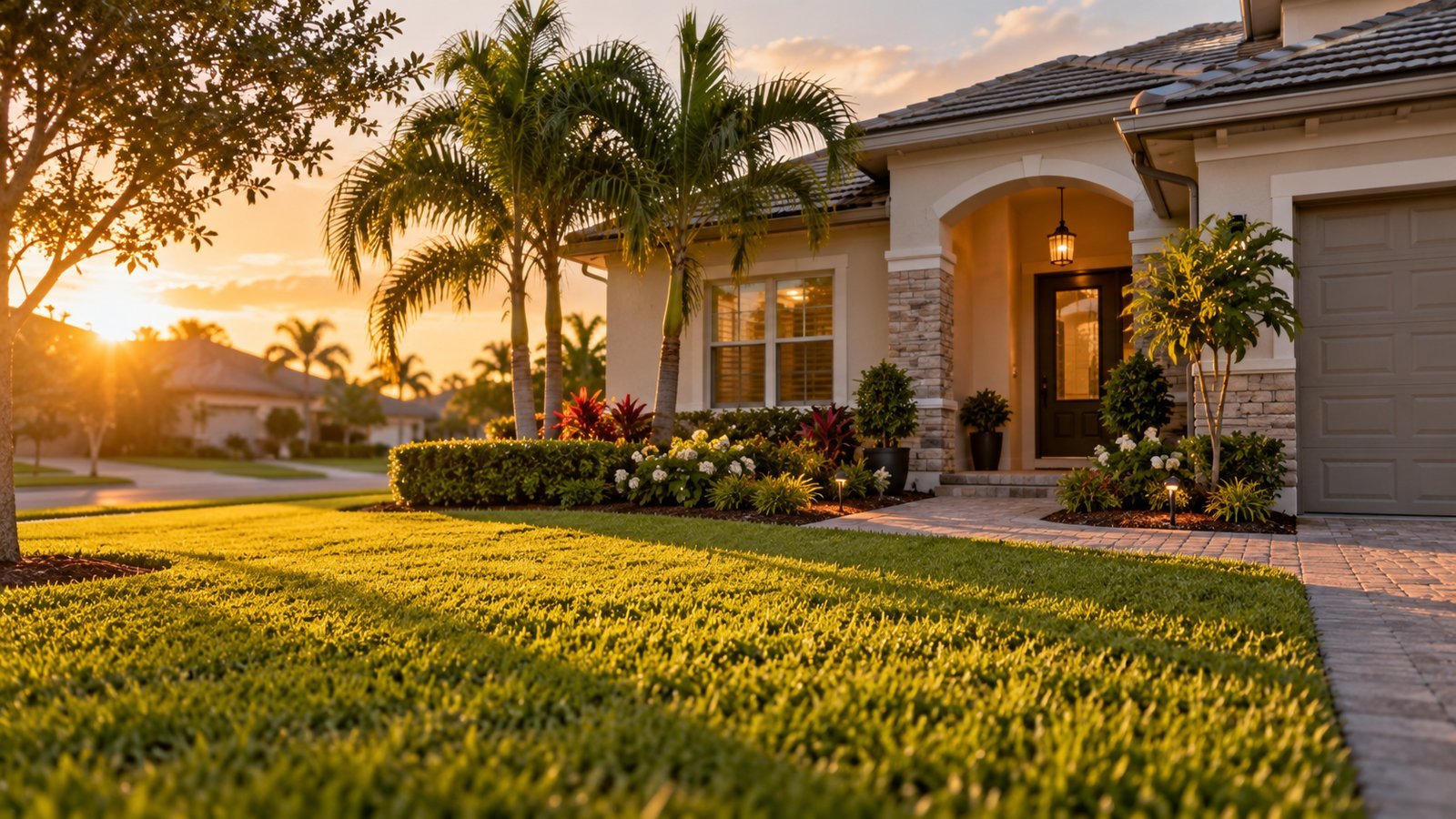
This section pays to repair or rebuild the house itself, including attached structures like a garage, and fixtures such as built-in appliances, cabinets and flooring. The III notes that HO-3 policies cover the dwelling on an open-perils basis, meaning every cause of loss is covered unless the policy specifically excludes it.
The limit should reflect the cost to rebuild, not the market price of the home. Market value includes land, location and demand, none of which matter when the question is how much lumber, labor and materials a rebuild requires. Insurers often use a replacement cost estimator to calculate the figure, and building costs can shift quickly. A limit that is too low can leave you with a shortfall after a major loss, and some policies reduce payouts when coverage falls below a set percentage of replacement cost. Ask the insurer how it calculated your limit and whether an inflation guard endorsement is included.
For a sense of how location and size affect pricing, the page on homeowners insurance on a $150,000 house is a general reference, though prices change often.
Other structures (Coverage B)
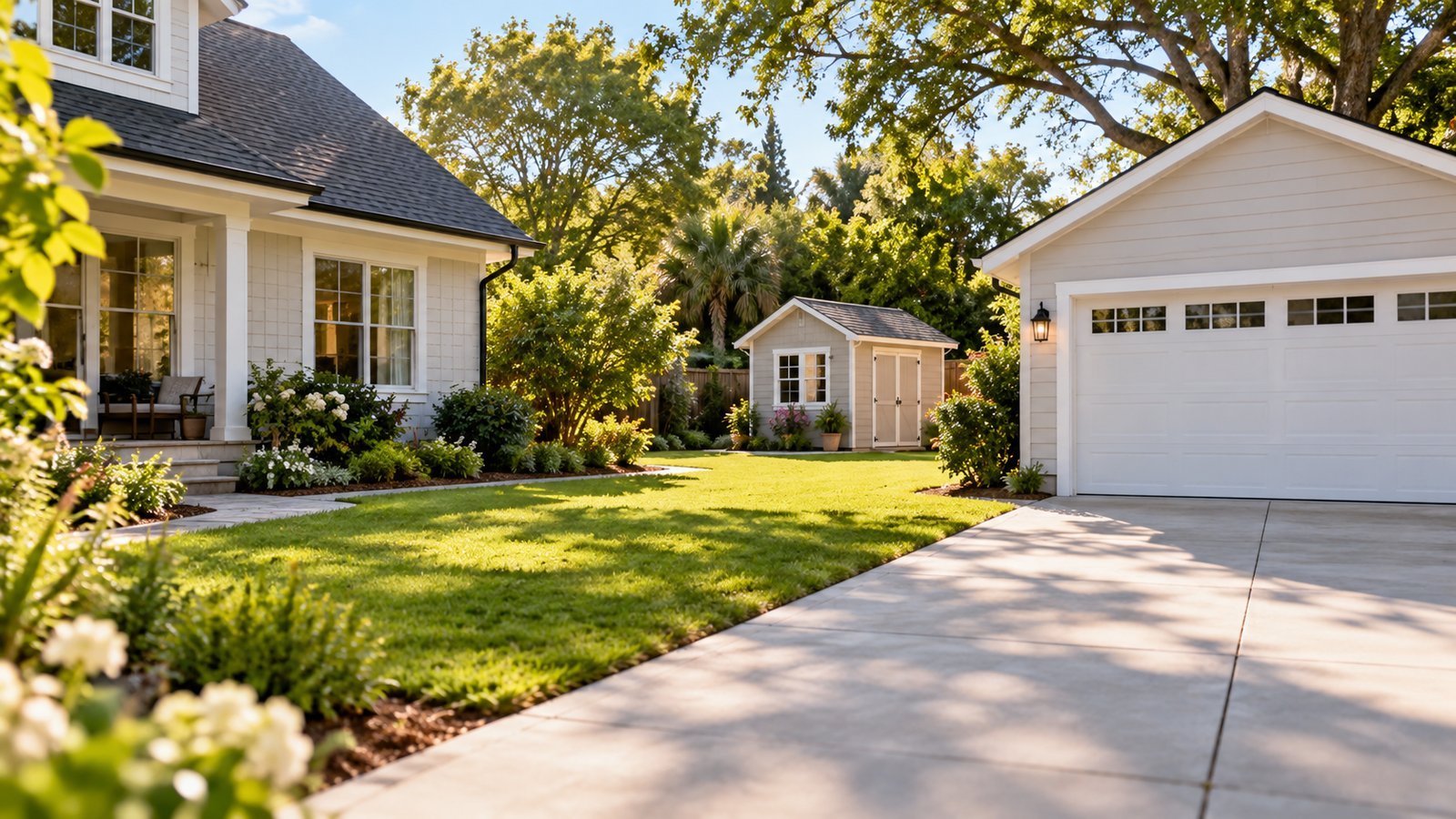
Other structures coverage applies to buildings and structures on the property that are separate from the house, such as detached garages, sheds, fences and gazebos. Its limit is typically set as a percentage of Coverage A, with ten percent a common default. A policyholder with a large workshop or guest cottage may want to raise it.
Structures used for business, or rented to someone other than a tenant of the home, are often excluded or limited. Ask the insurer before assuming a backyard studio is covered.
Personal property (Coverage C)
Belongings such as furniture, clothing, appliances that are not built in, electronics and kitchenware are protected, usually on a named-perils basis. The limit is typically a percentage of Coverage A, often 50%, though it can be adjusted. The III suggests making a home inventory to determine whether the limit is high enough.
Two important details: valuation and sublimits. Personal property may be paid at actual cash value, which subtracts depreciation, or at replacement cost, which does not. Many policies also cap payouts for certain categories such as jewelry, firearms, cash, silverware and collectibles. A scheduled personal property endorsement can raise protection for particular valuables.
The article on insurance that provides replacement value discusses valuation in more depth.

Living Expenses, Liability and Medical Payments: D, E and F
Loss of use (Coverage D)
When a covered loss makes part or all of the home unlivable, the lettered section called Coverage D, also called additional living expenses, helps pay the extra costs of living elsewhere. Examples include hotel or rental costs, higher food expenses and similar items, within the policy’s dollar or time limits. Owners who normally rent out part of the house may have fair rental value coverage, which may replace lost rent. A common trigger is a kitchen fire or storm damage that requires weeks or months of repair.
A claim usually requires that the underlying cause be a covered peril. Keeping receipts for every extra expense helps support the claim.
Personal liability (Coverage E)
Liability coverage responds when you are legally responsible for injuring a third party or damaging their property, and it generally includes legal defense costs. A guest who is injured on an icy step, or a neighbor whose fence is damaged by a tree you failed to maintain, are standard examples. Away from home, the coverage often applies as well, such as accidental damage you cause while visiting.
Common limits start in the low six figures. People with significant assets sometimes add a separate umbrella policy for higher limits. Dog bite claims are a common source of liability losses, and some insurers exclude certain breeds or require special arrangements, so disclose pets when you apply.
Liability claims can be expensive even when the facts are simple, because defense costs add up. A pool, trampoline or other attractive hazard raises the risk of injury claims, and insurers may ask about them on the application or require fencing and safety features. Telling the truth on those questions matters, because a misstatement can complicate a later claim. Home daycare, short-term rentals and similar activities often fall outside a standard policy, so anyone who earns money from the property should ask about separate coverage before an incident rather than after.
Medical payments to others (Coverage F)
Medical payments coverage pays reasonable medical expenses for guests who are hurt on your property, regardless of fault, up to a modest limit. The idea is to settle small injuries quickly and without a lawsuit. Your own injuries and those of people who live in the home are not included.
What Standard Policies Commonly Exclude
Every homeowners policy carries exclusions, and several are especially important.
- Flood. The III states that standard homeowners policies do not cover flood damage. Federal flood insurance through the National Flood Insurance Program (NFIP) and private flood policies fill that gap.
- Earthquake and earth movement. Typically excluded, though endorsements or separate policies exist.
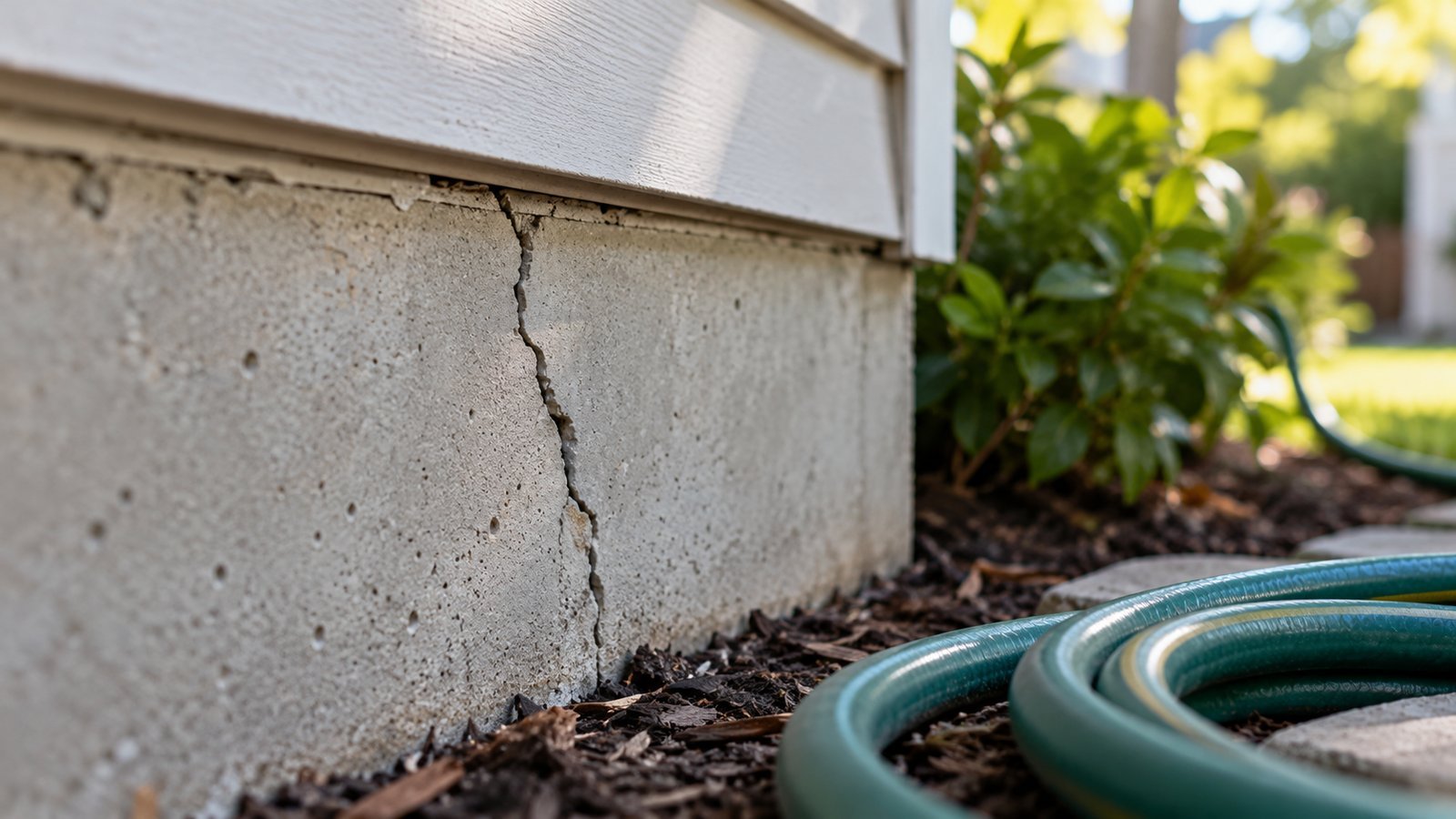
- Maintenance issues. Wear, deterioration, rust, mold from long-term neglect and pests are generally excluded.
- Sewer or drain backup. Often requires an endorsement.
- Intentional acts. Damage you cause deliberately is not covered.
- Business activity. Home businesses may need their own coverage.
- Vacancy. Many policies limit coverage when a home sits empty for an extended period.
Mold, pests and slow leaks are common sources of misunderstanding. Insurers generally expect owners to maintain the property, and damage that builds up over weeks or months is usually treated as a maintenance problem rather than a sudden loss. Regular checks of the roof, gutters, plumbing under sinks and the water heater help catch issues early and also support a claim if something does go wrong.
Water damage deserves a special mention because it generates many claims and many disputes. Sudden and accidental events, such as a burst pipe, are often covered, while gradual leaks and flooding from outside typically are not. The guides on getting insurance to pay for water damage and on electrical wiring coverage address specific situations in more detail.

Deductibles, Special Percentages and Valuation
Deductibles and special percentages
The standard deductible is a flat dollar amount that applies to most claims. In many coastal and storm-prone states, insurers use separate percentage deductibles for wind or hail, and for named storms or hurricanes. A percentage deductible is calculated from the Coverage A limit. For a home insured for $300,000, a 2% wind deductible would be $6,000, for example. These rules vary widely by state and insurer, so check the dec page and the endorsements carefully.
A higher deductible generally lowers the premium. Choosing one means being able to cover the amount from savings when a claim occurs. Small claims are often not worth filing, because claims can affect future pricing; the article on whether home insurance premiums rise after a claim discusses that trade-off in general terms.
Replacement cost, actual cash value and roofs
How a loss is valued can matter as much as whether it is covered. Replacement cost pays to repair or replace damaged property with similar materials without subtracting depreciation. Actual cash value subtracts depreciation. Some insurers pay older roofs on an actual cash value or schedule basis, even when the rest of the home is covered at replacement cost, and some require updated roof materials or condition to renew. Ask at purchase and at renewal how the roof is treated, as roof claims are among the most common and costly.
Typically, under a replacement cost policy, the insurer first pays the actual cash value and releases the withheld depreciation after repairs are completed and documented. Keep estimates, invoices and photographs to support that second payment.
Choosing limits with care
Insurance-to-value is a phrase worth knowing. Most insurers expect the dwelling limit to track the cost of rebuilding, and some policies include conditions that penalize underinsurance. After renovations such as a finished basement, a new kitchen or an added bathroom, tell the insurer so the limit can be adjusted. Local construction costs, building code upgrades and debris removal can all raise a rebuild bill above the original cost of the house. Ordinance or law coverage, sold as an endorsement or built in at a limited amount, can help pay extra costs when current building codes require upgrades during repairs. Asking an agent about this endorsement is reasonable for older homes.
Keeping photos and a video of each room, along with receipts for major purchases, supports claims under every lettered coverage. Store copies away from the house, for example in cloud storage, so a fire or flood does not take the evidence along with the belongings. Review the inventory each year and whenever you buy something expensive.

Mortgages, Escrow and Proof of Coverage
If you have a mortgage, the lender requires homeowners insurance and is listed on the policy as the mortgagee. Many lenders collect premiums in escrow and pay the insurer for you. Should your insurer cancel or the policy lapse, the lender can buy force-placed insurance, which usually costs more and protects only the lender’s interest. Reading renewal notices and updating the lender when you change insurers prevents that outcome.
This article is general information only. This is not insurance, legal or financial advice. Policy language, limits and exclusions vary by insurer and state. Review your policy, speak with a licensed agent and contact your state department of insurance with questions about your situation.

Frequently Asked Questions
Does homeowners insurance cover flood damage?
Standard policies generally do not. Flood coverage is sold separately through the NFIP and private insurers.
What does the dwelling section mean on my policy?
The dwelling section pays to repair or rebuild the house itself, up to the stated limit, and sits under the letter A on the declarations page.
Is my personal property covered if it is stolen away from home?
Often yes, subject to policy terms and limits. Personal property coverage commonly extends beyond the property, but special limits and exclusions can apply.
Is the limit on my house the same as its market value?
No. The dwelling limit is based on the cost to rebuild, which differs from the price a buyer would pay.
How often should I review my policy?
At least once a year and after major changes such as renovations, large purchases or changes in household use.