
Quick answer: standard homeowners and renters policies generally do not cover flood damage. Flood insurance is sold separately through the federal National Flood Insurance Program (NFIP) and some private insurers, and it usually has a waiting period of about 30 days before coverage starts, so buying before a storm threatens matters.
Few insurance surprises hurt as much as discovering, after a storm, that the policy does not cover rising water. Many homeowners assume it does. Wind-driven rain through a damaged roof may be covered under a standard policy, yet water that enters from the ground up, from a swollen river, a storm surge or heavy runoff, usually is not. That gap is filled by separate flood insurance, and the rules around it are different from the ones that govern the rest of a home policy.
This guide explains the basics in general terms, drawing on FEMA’s FloodSmart.gov and the Insurance Information Institute (III). The sections below cover what counts as a flood, how the NFIP works, what it pays for and does not, how lenders fit in, and how private options differ. Flood risk and prices depend heavily on location, and program rules can change, so the figures and details here should be confirmed with FEMA, an insurance agent or your state insurance department. The article is general information only and does not describe any specific policy.
Defining a Flood
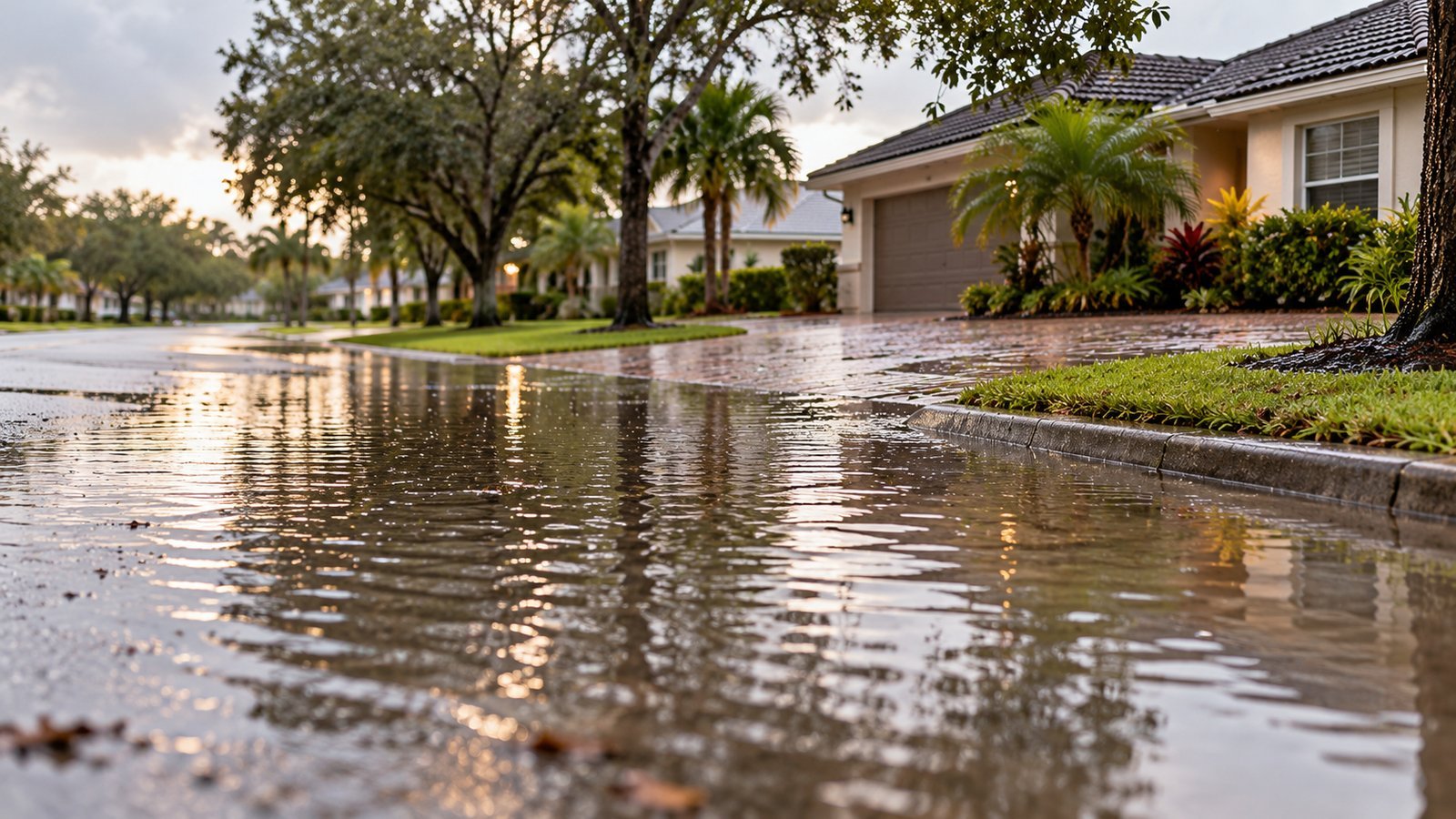
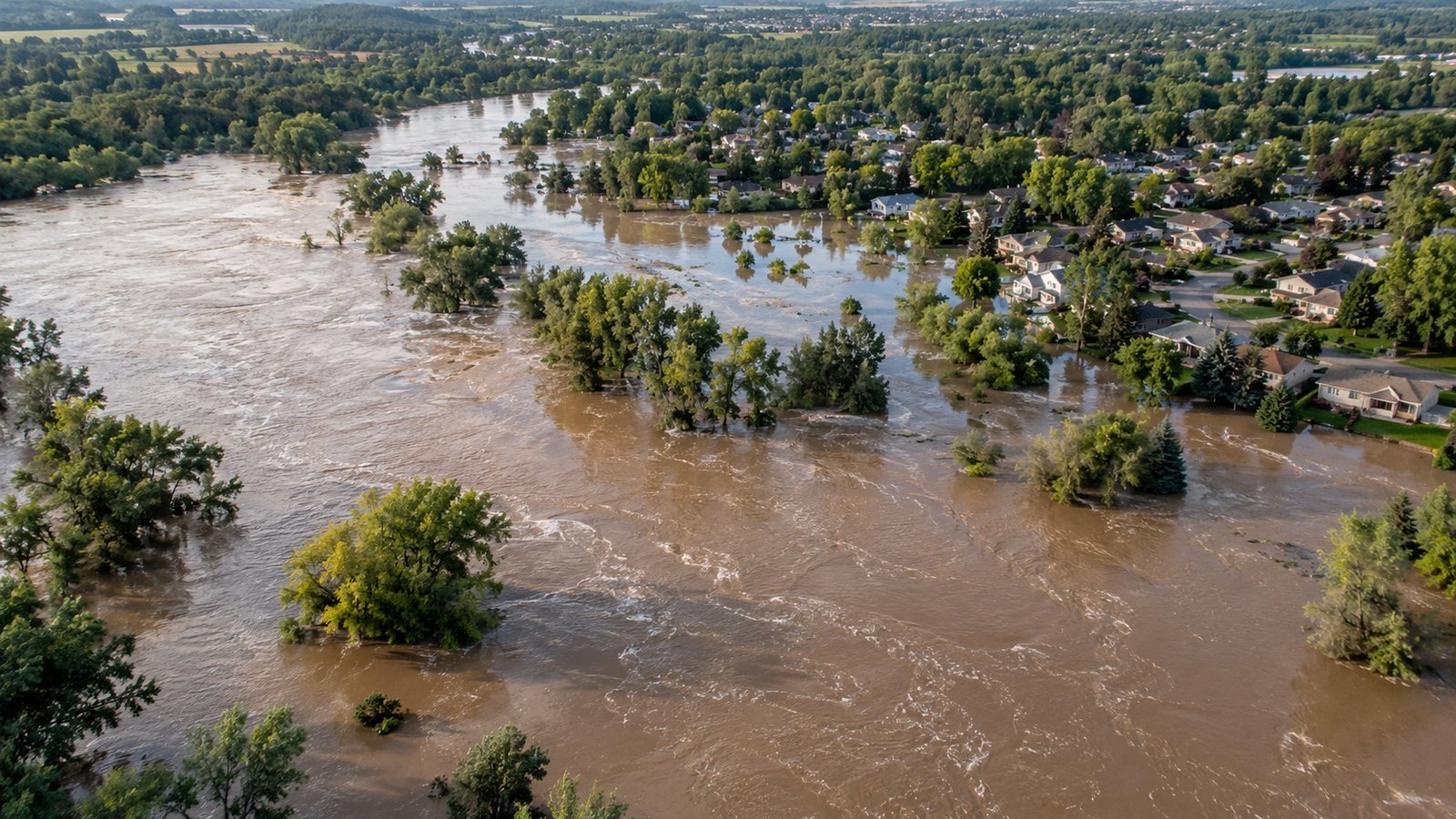
Insurers define a flood in policy language, and the definition matters. The NFIP describes a flood as a general and temporary condition in which two or more acres of normally dry land, or two or more properties, are inundated by water or mudflow. Common causes include overflow of inland or tidal waters, unusual and rapid accumulation or runoff of surface waters, and mudflow.
Several points follow from that definition.
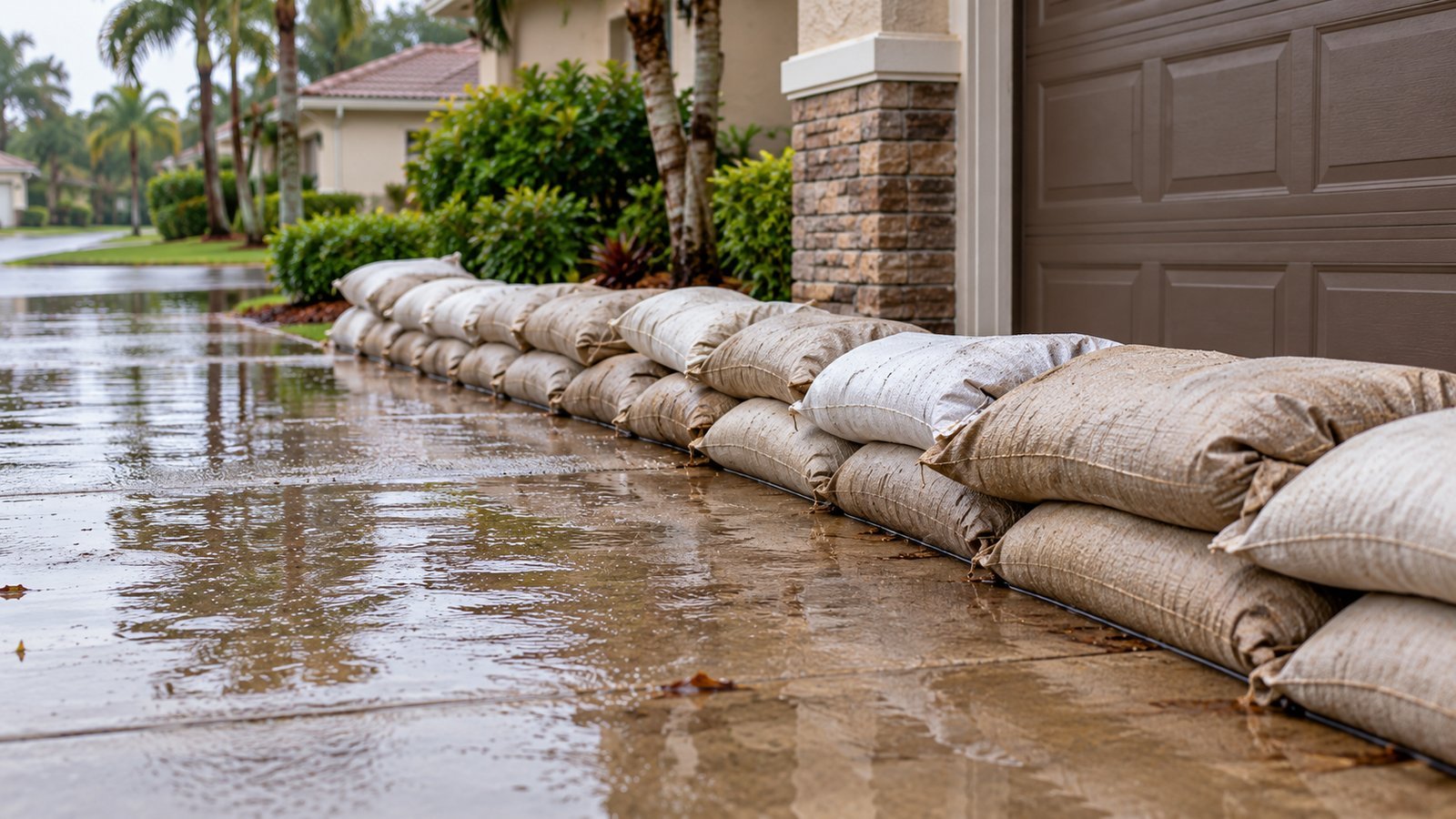
- Floods can happen anywhere it rains, not only near rivers or coasts. Flash flooding, snowmelt, clogged storm drains and heavy rain on paved areas can all send water into buildings.
- FEMA’s maps label areas as high-risk or moderate-to-low-risk, yet the agency stresses that flooding can occur outside mapped high-risk zones.
- A broken water heater or a burst pipe inside the home is a different kind of loss, usually handled by the standard homeowners policy rather than flood insurance.
For a general look at how insurers treat water losses inside a home, the guides on getting insurance to pay for water damage and water damage claim tips cover that different category.
Why Standard Policies Exclude Flood
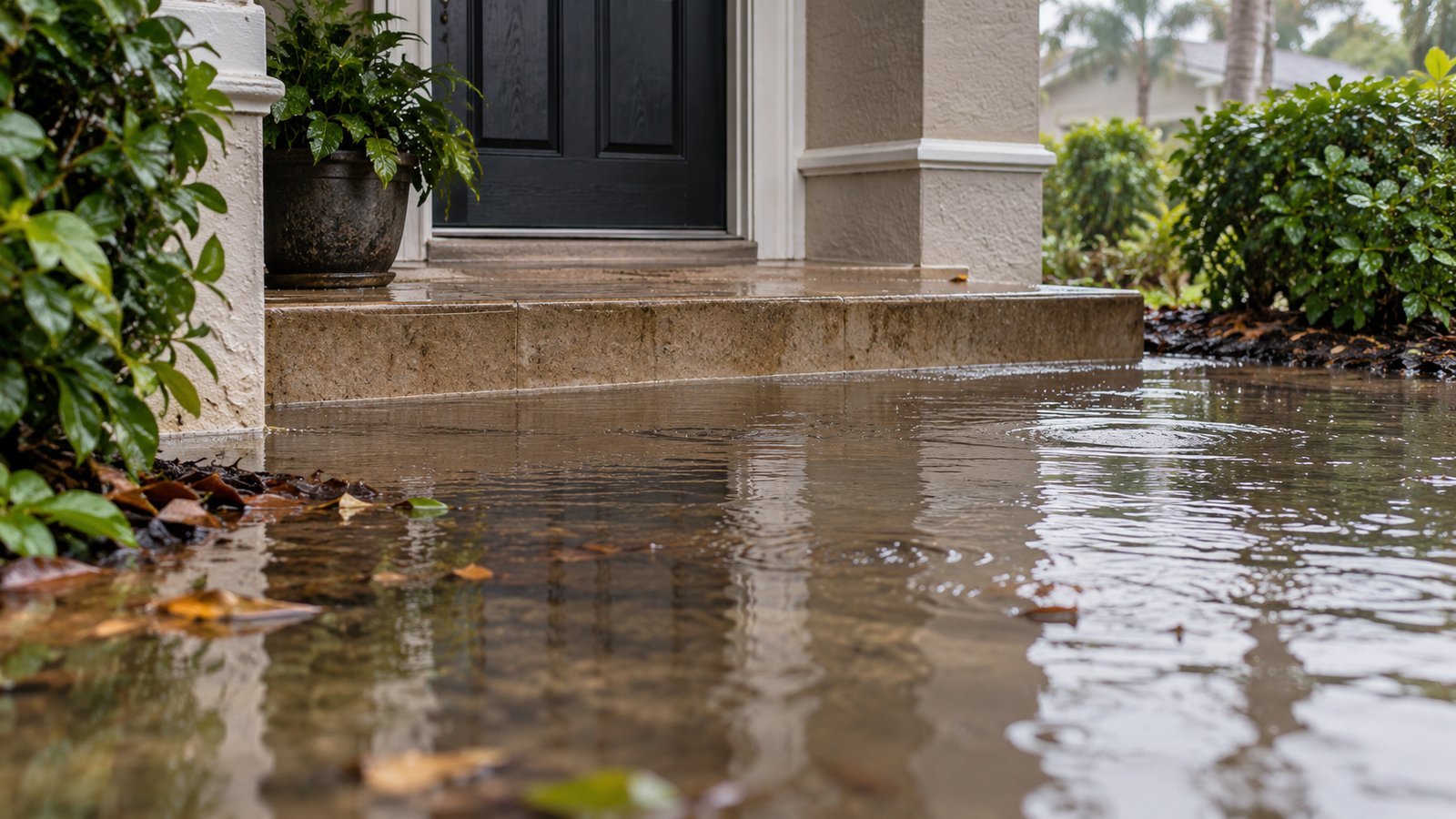
The III states that standard homeowners insurance does not cover flood damage and that people must buy a separate policy. The reasons are historical and practical. Flood losses can strike many properties at once and are hard for private insurers to price, which is why the federal government created the NFIP in 1968 to make flood coverage available in communities that adopt floodplain management rules.
Renters have the same gap. A renters policy usually leaves out flood, but flood coverage for belongings is available. Tenants in flood-prone areas can ask about contents-only coverage.
How the National Flood Insurance Program Works
The NFIP is a federal program managed by FEMA. Policies are sold through private insurance agents and, in some cases, through insurers that participate in the Write Your Own program, but the coverage terms and rates are set under federal rules. A property can be insured only if its community participates in the program, which most flood-prone communities do. FEMA’s FloodSmart.gov lists participating communities and explains how to find an agent.
Coverage limits
Under the NFIP, standard residential policies have separate limits for the building and for contents, according to FEMA. For a single-family home, the maximum building coverage is $250,000, and the maximum contents coverage is $100,000. Those amounts are caps, and they do not necessarily match what it would cost to rebuild and refurnish a home. Residential condominium associations and non-residential buildings have different limits. Building and contents coverage are bought separately, and a person can choose one without the other.
What is typically covered
NFIP building coverage generally includes the structure and its foundation, electrical and plumbing systems, central air conditioning, furnaces and water heaters, built-in appliances, permanently installed carpeting and similar fixtures. Contents coverage can include clothing, furniture, electronics, portable appliances and similar belongings, with special limits on certain items such as valuable papers and artwork.
What is typically not covered
Some losses are outside the standard NFIP policy. Examples include damage caused by moisture, mildew or mold that could have been avoided, currency and precious metals, and property outside the building such as yards, landscaping, septic systems, decks and driveways. Coverage in basements and similar below-ground areas is limited to specific items, and finished basement improvements are generally not covered. Additional living expenses, such as hotel stays, are generally not part of an NFIP policy either, though some private policies offer them.
The exact lists differ by policy form, so ask the agent for the specific form and read it.

The Waiting Period and Timing
Flood coverage generally takes effect after a 30-day waiting period, according to FEMA. Exceptions exist, such as when flood insurance is purchased in connection with a loan closing, or following certain map changes or wildfire events. Because of the waiting period, buying coverage when a storm is already in the forecast is usually too late.
The practical lesson is to decide before flood season, not during it. Flood insurance is something to arrange when the weather is calm. Ask the agent, too, when the policy renews and how the renewal date interacts with any waiting period for added coverage.

When a Lender Requires Flood Insurance
Federal rules require flood insurance for buildings in designated Special Flood Hazard Areas, the high-risk zones on FEMA flood maps, when the property secures a mortgage from a federally regulated or insured lender. The lender usually checks the flood zone as part of the loan process and notifies the borrower. The amount required is generally the lowest of the loan balance, the maximum available under the NFIP or the insurable value of the building.
Properties outside high-risk zones are not required to have flood insurance by this rule, though the owner may still choose to buy it. FEMA notes that premiums for preferred-risk or lower-risk zone policies can be lower than people expect, but rates depend on the property.
If you pay your homeowners premium through escrow, flood premiums may be collected the same way. For general background on how premiums are built, the overview of what drives insurance premiums explains common pricing inputs, though flood pricing follows its own methods.
Reading your own risk
A few free steps help a homeowner judge exposure without spending anything. Look up the address on FEMA’s Flood Map Service Center, ask the city or county floodplain administrator about past events, and check whether the street or basement has flooded in heavy storms before. Previous owners and neighbors often know. Real estate disclosures in some states also ask sellers about prior flooding. Because maps can lag behind development and changing rainfall patterns, a low-risk label is a starting point rather than a guarantee.
Cost factors and mitigation
NFIP pricing moved to a system called Risk Rating 2.0 in 2021 and 2022, which FEMA says considers individual property characteristics such as flood frequency, distance to water, the cost to rebuild and elevation instead of relying mostly on map zones. Because prices depend on these details, two neighboring houses can pay different amounts. Some communities take part in the Community Rating System, which can reduce premiums for policyholders when local governments exceed minimum floodplain rules. Owners who add flood vents, raise utilities or elevate a structure may also see lower rates, so ask an agent what documentation is needed.
Flood maps, zones and risk
FEMA’s Flood Insurance Rate Maps divide areas into zones. Zones starting with A or V generally indicate high-risk areas, and zones such as B, C, X or shaded X indicate lower or moderate risk, though the labels have evolved. A property’s zone affects both lender requirements and pricing, along with factors such as the building’s elevation, the number of floors, the foundation type, and the construction date.
Many owners use an elevation certificate, a document prepared by a surveyor or engineer that records a building’s elevation relative to flood levels. Sometimes the certificate leads to a more accurate rate. Maps change, and a property that moves from one zone to another may see different requirements. You can look up an address at FEMA’s Flood Map Service Center.
Floodplain management is also local. Cities and counties set building rules, such as elevation requirements, and many keep records of past floods. Local emergency management offices can often share the history of flooding in a neighborhood.

Private Flood Insurance
Private insurers also offer flood coverage in many states. Private policies can sometimes provide higher limits, coverage for additional living expenses, shorter waiting periods or replacement cost on certain items, though terms and prices vary and not every area is served. Lenders generally can accept private flood policies if they meet federal standards, and a lender’s requirements will state what is acceptable.
Comparing options means looking at several things:
- The limits for building and contents.
- The valuation method, replacement cost or actual cash value.
- The deductible, which may be separate for building and contents.
- The waiting period.
- Whether loss of use is included.
- The insurer’s financial strength and claims reputation.
Excess flood insurance is also sold to homeowners whose property values exceed the NFIP maximums.
Filing a Flood Claim in General Terms
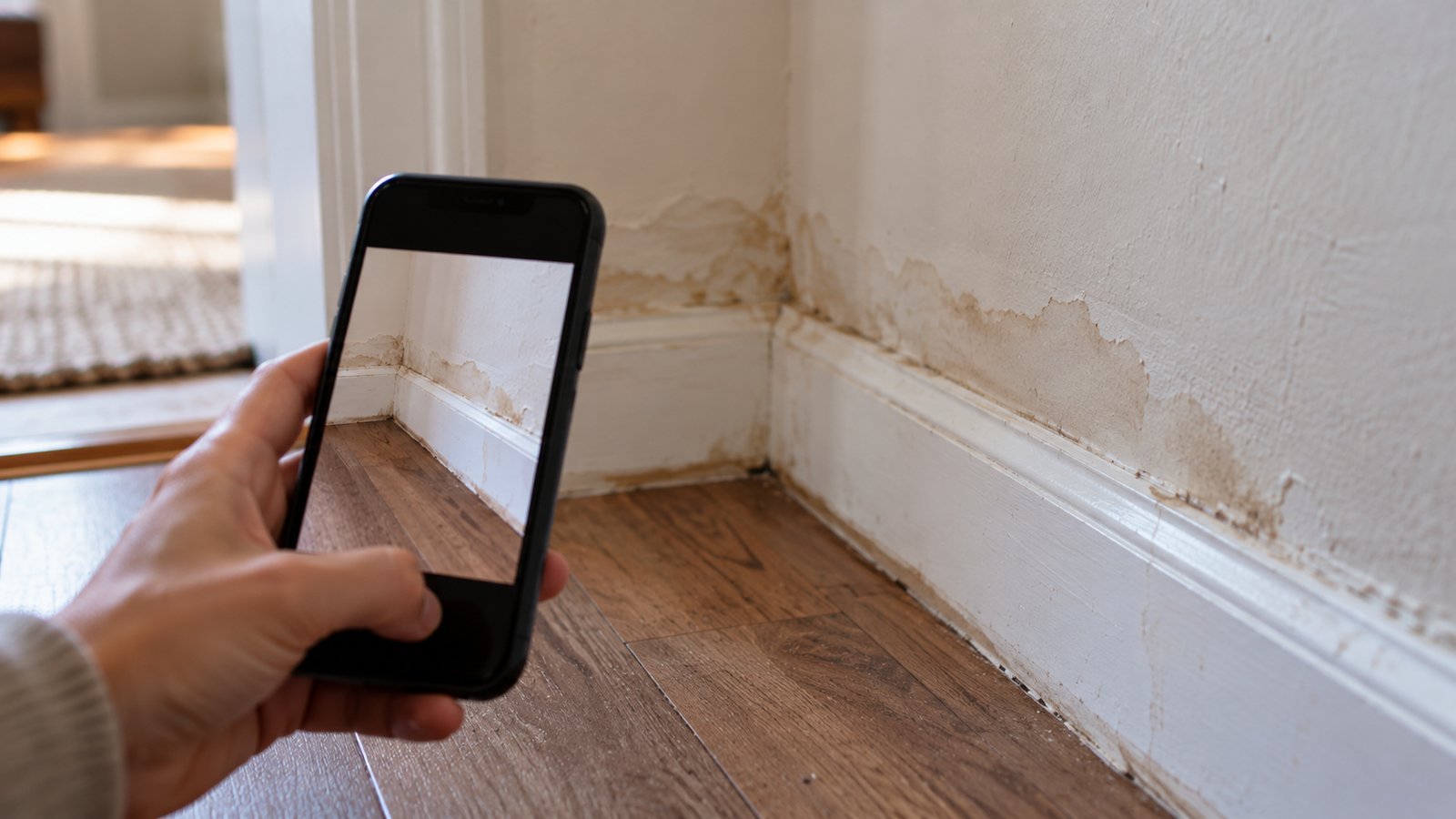
When a flood damages a property, safety comes first: stay out of floodwater, avoid electrical hazards and follow instructions from local officials. After it is safe, contact the insurer or agent as soon as possible and ask about the claim deadline in the policy. Photograph and video the damage before cleanup, keep damaged items if the adjuster needs to see them, and save receipts for emergency repairs. Make temporary repairs only as the policy and adjuster allow. Keep a list of damaged belongings, and note the dates and the people you speak with. An adjuster will inspect the property and prepare an estimate, and the insurer decides coverage based on the policy terms.
Federal disaster assistance is a separate matter from insurance. Declared disasters can bring programs through FEMA and the Small Business Administration, such as loans, but these programs are not a replacement for flood insurance and are not always available.
Preparing before flood season
Homeowners can reduce loss and make claims easier with simple habits.
- Make a home inventory with photos or video, and store copies away from the house.
- Keep key documents, such as the policy, ID and deeds, in a waterproof container or digital storage.
- Know your flood zone and your evacuation route.
- Move valuables and important items above the lowest floor when possible.
- Ask your local government about flood protection programs and drainage maintenance.
This article is general information only. This is not insurance, legal or financial advice, and nothing here describes any specific policy. Flood program rules, limits and prices change over time and vary by location. Confirm current details with FEMA’s FloodSmart.gov, a licensed agent or your state department of insurance.

Frequently Asked Questions
Does homeowners insurance cover flood damage?
Standard policies generally do not. Flood coverage is bought separately, either through the NFIP or from a private insurer.
How long does it take for flood insurance to start?
Generally 30 days after purchase, according to FEMA, with limited exceptions such as certain loan closings.
Do I need flood insurance if I am outside a high-risk zone?
Lenders do not require it outside high-risk zones, but flooding can occur anywhere. FEMA encourages people in all zones to consider their risk.
Can renters buy flood insurance?
Yes. Renters can buy contents coverage through the NFIP and some private insurers.
Does flood insurance cover my car?
Usually not. Vehicles are typically covered for flood under the comprehensive portion of an auto policy, not under a flood policy for the home.